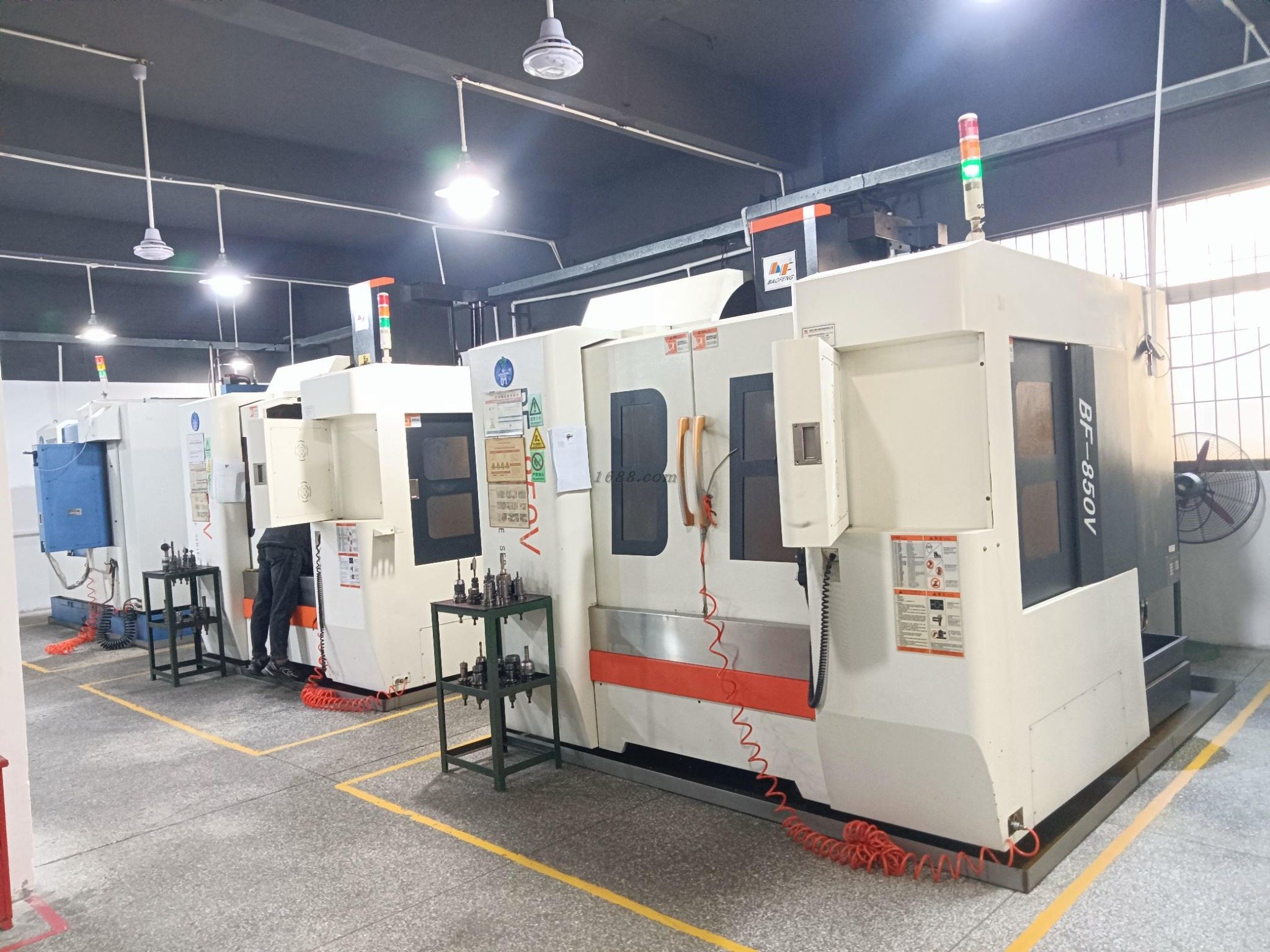
Tooling and engineering review context at the ESKY manufacturing site
ENGINEERING REVIEW CASE · PRODUCT DEVELOPMENT

Avoiding Tooling Rework With a Pre-Mold DFM Review

Thin overmold areas, deep undercuts, poor venting and insufficient draft can turn a good CAD model into an expensive tooling problem. This review focused on finding those risks before steel was cut.

PROJECT SNAPSHOT

Project Snapshot

Pre-tooling design review
Project Stage
Liquid Silicone Rubber Overmolding
Process Under Review
Identify manufacturability risks before mold build
Primary Goal
Overmold area too thin
Risk 1
Undercut too deep
Risk 2
Venting path not smooth / insufficient
Risk 3
Insufficient demolding angle
Risk 4
Drawing, material and assembly
Review Inputs
Critical risks identified before tooling
Result

THE CUSTOMER'S CONCERN

The mold had not been cut yet - which was exactly the right time to find the problems.

Many silicone-overmold projects become expensive because the design goes straight from CAD to tooling. The problems then appear during sampling: silicone will not fill correctly, the part is difficult to demold, flash becomes difficult to control, and the geometry has to be changed after the mold already exists. This project was reviewed before that stage.

THE DFM FINDINGS

Four Structural Risks

These are not cosmetic CAD comments. Each one can affect tooling, sampling and production stability.

011

Overmold Area Too Thin

Very thin silicone areas can create fill and durability problems.

022

Undercut Too Deep

Excessive undercut can make release from the mold difficult.

033

Venting Not Smooth

Poor venting can interfere with stable filling and increase defect risk.

044

Insufficient Draft

The design may not release cleanly if the demolding angle is not adequate.

OUR REVIEW PROCESS

Our Review Process

Drawing, materials, assembly and moldability - reviewed together.

011

Review the Drawing

Understand geometry, critical areas and the intended silicone coverage.

022

Review the Materials

Check how the selected materials affect molding and the interface.

033

Review the Assembly

Understand how the overmolded part must fit and function after molding.

044

Review the Moldability

Check whether the geometry can actually be filled, vented and demolded reliably.

RESULT

Major structural risks identified before tooling

The major structural risks were identified before the project moved deeper into tooling. This page describes the result as risk identification and DFM review, not mass-production performance.

WHAT THIS CASE SHOWS

What This Case Shows

For industrial-design firms, mechanical engineers and product-development teams, ESKY can contribute before the mold exists. The most useful supplier question is not "Can you build this mold?" It is: is this exact design ready to become a mold? A short DFM review before tooling can prevent much more expensive changes later.

Related guide: What to Review Before Tooling a Plastic + Silicone Product

CAPABILITIES DEMONSTRATED

Capabilities Demonstrated

011

LSR Overmolding DFM

Reviewing the design for molding feasibility.

022

Tooling Risk Identification

Finding structural issues before mold build.

033

Material / Assembly Review

Evaluating the part as a complete product system.

044

Engineering Collaboration

Supporting design teams before production release.

RELATED CAPABILITIES

Related Capabilities

Where this capability lives in our production system.

011

OEM & ODM Product Development

Pre-tooling DFM review as part of development.

Learn more
022

Tooling & Mold Development

Tooling design informed by moldability findings.

Learn more
033

Silicone Overmolding

LSR overmolding process knowledge behind the review.

Learn more

NEXT STEP

Before you release the tooling PO, send us the STEP file.

We can review the silicone coverage, undercuts, venting, draft, material combination and assembly risks first.

Request a DFM Review