Making Silicone + Metal Feel Like One Premium Product
A mixed-material product should look intentional, feel solid and stay integrated after repeated handling - not behave like two parts temporarily stuck together.

A mixed-material product should look intentional, feel solid and stay integrated after repeated handling - not behave like two parts temporarily stuck together.
PROJECT SNAPSHOT
THE BUYER'S CONCERN
Silicone + metal can create a much stronger product impression than a standard one-material giveaway. It can add weight, structure, contrast and a more refined tactile experience to tech gifts, travel accessories, branded hardware, desk accessories, key organizers and wearable accessories. But the buyer inherits a new risk at the same time: What happens to the silicone-to-metal interface after people start pulling, flexing and handling the product every day? A good-looking first sample is not enough if the interface later lifts or separates.
THE MANUFACTURING CHALLENGE
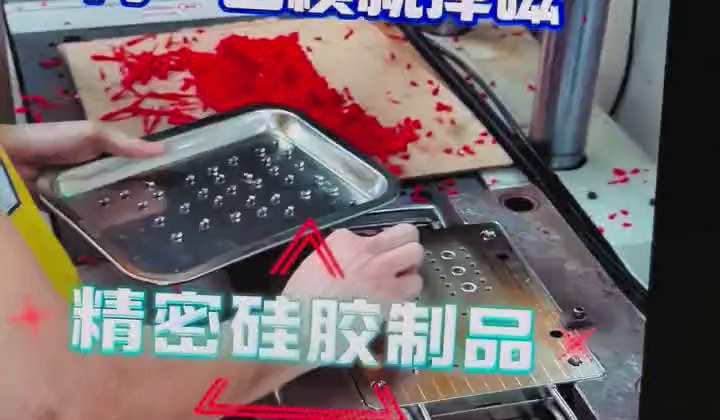
The project required the silicone and metal component to behave as an integrated structure. That means the result depends on more than simply putting a metal insert into a mold. The project workflow shown includes substrate handling and preparation, a defined bonding process, accurate insert positioning and liquid-silicone molding.
WHY IT MATTERS
A branded product carries another company logo. That means separation, exposed edges or loose soft-touch material is not only a manufacturing defect - it becomes a brand-quality problem. For premium merchandise, the buyer is paying for material combination, tactile quality, durability and clean execution.
OUR RESPONSE
The interface was engineered, not assumed.
The metal insert was handled as a functional bonding surface rather than simply as a decorative insert.
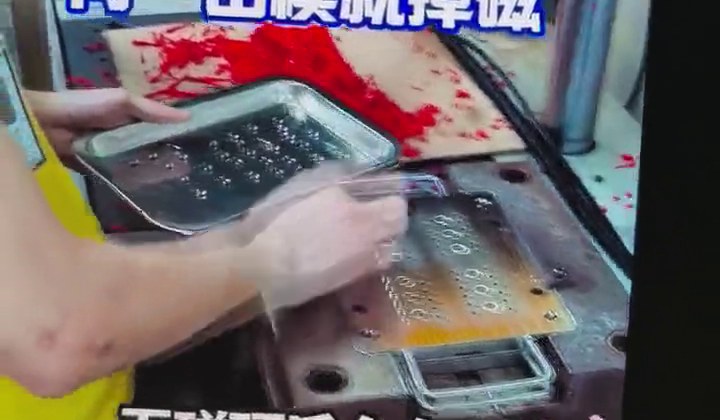
The component was placed into the mold in a controlled position so the silicone geometry and interface stayed consistent.
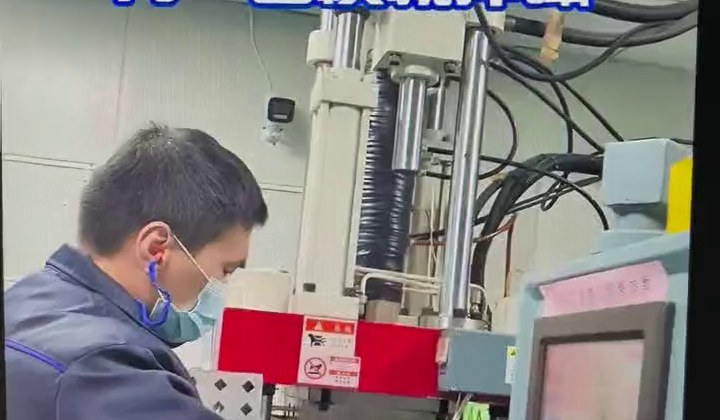
Liquid silicone was molded around the component under controlled conditions.
The finished part was manually pulled to demonstrate the integrity of the silicone-to-metal interface.
RESULT
The finished silicone + metal structure stayed integrated during the pull demonstration shown in the project. This is described as a project demonstration, not a certified tensile-strength value.
WHAT THIS CASE SHOWS
ESKY can support branded merchandise projects that need more than a logo on a standard silicone item. This type of development is relevant when the product needs soft-touch silicone, a rigid or premium metal element, a clean material transition, custom geometry and reliable daily-use handling. The buyer gets a multi-material product designed as one product system, not two unrelated components.
CAPABILITIES DEMONSTRATED
Combining a soft silicone layer with a rigid metal component.
Controlling the metal component during molding.
Managing the interface as part of product development.
Checking the finished structure through physical handling / pull testing.
PROOF GALLERY
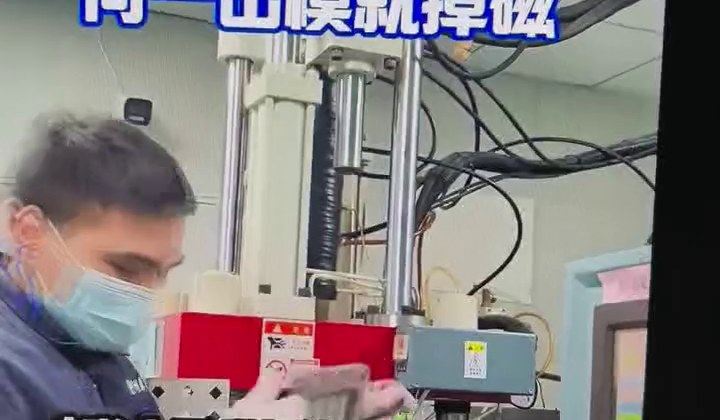
Stills from the actual project footage - process, tooling and output.

Silicone and metal designed to behave as one integrated part.

The project used a defined bonding workflow before and during molding.

Accurate insert positioning before liquid-silicone molding.

Physical handling used to check the finished interface.
RELATED CAPABILITIES
Where this capability lives in our production system.
Silicone overmolded onto metal inserts with controlled interfaces.
Multi-material bonding workflow from insert preparation to molding.
Structure and bonding review before tooling commitment.
NEXT STEP
Send us the concept, CAD file, substrate information and expected use conditions. We can review the structure and molding approach before tooling.