Sep 8, 2026Project Planning
Custom Silicone Mold Ownership: What to Confirm Before Tooling Starts
Who owns the mold, who maintains it, how changes are handled and how a tool transfers - tooling terms to confirm in writing before a custom silicone project starts.
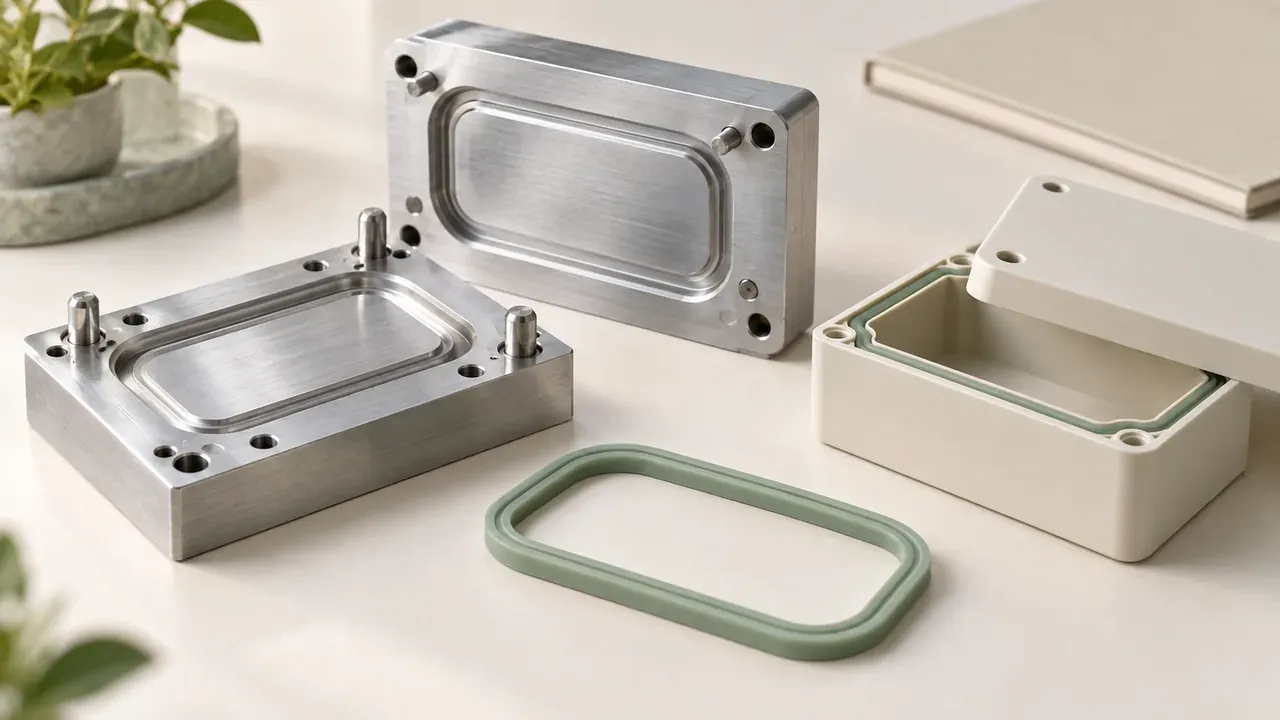
Mold questions come up repeatedly in custom silicone projects: who owns the tool, who can use it, who maintains it and what happens if production moves. None of these are awkward questions - they are standard procurement terms, and every one of them is easiest to settle before tooling begins.
Ownership and payment
Before tooling starts, the quotation or tooling agreement should define who pays for the mold and who owns it once paid. Ownership determines who can authorize production runs, who can move the tool and what happens when the project ends, so it should be written down rather than assumed.
Production use of the mold
The agreement should state that the mold produces your approved product only, and how repeat orders, capacity and production scheduling are handled between you and the manufacturer.
Maintenance, repairs and changes
What happens after the first sample?
It is normal for a custom mold to require adjustment after the first trial. The agreement should clarify which changes are included and which design changes require a new quotation.
Maintenance and repairs
Molds wear with use: parting lines, venting and surface finish all affect parts over time. The agreement should define who performs maintenance, who pays for repairs caused by normal use, and how a damaged tool is restored to an agreed condition.
Storage and access
Where the mold is stored affects both cost control and continuity. Confirm where the tool is kept, who is responsible for it, how quickly it can be accessed for a production run, and what notice is required before it is moved.
Transfer and relocation
If you move production - to a second supplier, to another region or in-house - the mold must transfer with it. A transferable tooling agreement should cover release conditions, any outstanding tooling balance, the condition the tool must be in at handover, and the documentation that travels with it: drawings, mold records and the last approved sample.
What to confirm before tooling starts
A short tooling checklist keeps expectations clear: owner and payer, permitted use, maintenance responsibility, change and repair costs, storage location and access, and transfer conditions. At ESKY SUPPLY, tool ownership and mold-use terms are defined in the quotation or project agreement, so these points are settled in writing before the first cut.
Reviewing a custom silicone mold agreement or planning a new tool? Send your drawing and project requirements, and we will confirm the tooling route and the terms that should be settled before tooling starts.
Confirming these terms before tooling? The Product Development page sets out how we run reviews and approvals, and the Contact page is the fastest way to start the conversation.