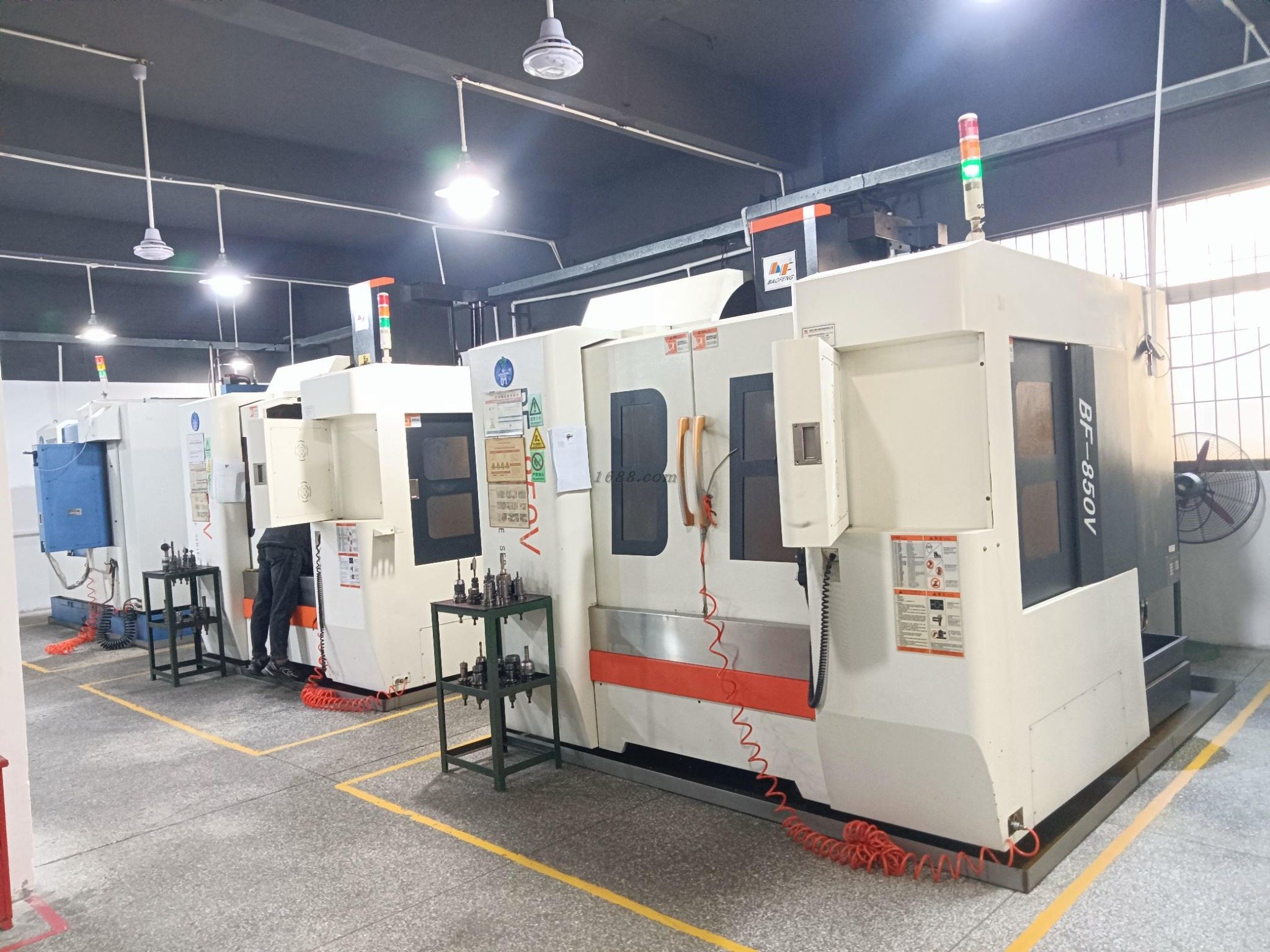
Precision tooling machining at the ESKY manufacturing site
CASE STUDY · ELECTRONICS / OUTDOOR DEVICE

Keeping a Silicone Assembly Bonded Through Cold Outdoor Use

An assembly that looks fine indoors can behave very differently after cold exposure. This project focused on keeping the silicone-to-rigid interface integrated under demanding outdoor conditions.

PROJECT SNAPSHOT

Project Snapshot

Outdoor electronic / device component
Application
Silicone + rigid substrate
Structure
Cracking / delamination in cold conditions
Primary Risk
Precision insert molding
Process
Controlled chemical bonding
Bonding Approach
Accurate substrate placement
Tooling Focus
Low-temperature outdoor use
Environmental Focus
Integrated interface maintained in the demonstrated low-temperature condition
Result

THE CUSTOMER'S CONCERN

Outdoor use changes the product test.

A component can look fully bonded at room temperature and still fail when the environment becomes more demanding. Cold conditions can expose weakness at the interface between silicone and a rigid substrate. Once cracking or separation begins, the defect can affect sealing, appearance, structural stability and long-term reliability.

THE MANUFACTURING CHALLENGE

The interface had to be built as a bonded system

The earlier condition shown in the project illustrates the type of cracking and interface damage that can occur when the bonding system is not robust enough for the intended environment. The project response focused on the interface itself rather than treating the silicone as a simple outer cover.

OUR RESPONSE

Our Response

Every step served the bonded interface.

011

Prepare the Rigid Substrate

The base component was treated as part of the bonding system.

022

Position It in a Precision Mold

Accurate insert placement helped control the interface geometry.

033

Create a Bonded Silicone Interface

The molding process was set up to create a stronger chemical bond between the materials.

044

Evaluate the Assembly Under Cold Conditions

The finished structure was demonstrated under a low-temperature use scenario, with the interface remaining tightly integrated.

RESULT

The interface remained tightly integrated in the demonstrated cold-use condition

The completed component remained closely bonded under the cold-use condition shown in the project.

WHAT THIS CASE SHOWS

What This Case Shows

This case is relevant to products that may see outdoor winter use, temperature variation, repeated environmental exposure, sealing requirements and rigid-plus-silicone interfaces. For electronics and device brands, the key point is that material choice alone does not determine durability. The interface and the molding process matter as well.

CAPABILITIES DEMONSTRATED

Capabilities Demonstrated

011

Silicone + Rigid-Substrate Integration

Developing the full interface rather than only the silicone geometry.

022

Precision Insert Molding

Accurate placement and repeatable overmold geometry.

033

Bonding Process Control

Managing the interface for environmental durability.

044

Application-Focused Validation

Considering the conditions the product will actually experience.

RELATED CAPABILITIES

Related Capabilities

Where this capability lives in our production system.

011

Silicone + Metal Components

Silicone bonded to rigid inserts with controlled interfaces.

Learn more
022

Silicone Overmolding

Bonding and shut-off development for demanding environments.

Learn more
033

Quality & Testing

Interface and durability checks for outdoor components.

Learn more

NEXT STEP

Working on a silicone + rigid component for outdoor or low-temperature use?

Send us the substrate material, application, expected temperature range and drawing. We can review the interface and molding approach before tooling.

Review an Outdoor Silicone Component