CUSTOMER CASE STUDY · CONSUMER ELECTRONICS · LSR
Stabilizing Tactile Feel in an LSR Waterproof Button
How micron-level tooling adjustment and process control solved tactile degradation after repeated pressing.
How micron-level tooling adjustment and process control solved tactile degradation after repeated pressing.
Repeated actuation testing after tooling and process optimization.
Liquid silicone rubber with precision tooling for waterproof tactile components.
PROJECT SNAPSHOT
CUSTOMER CONCERN
During initial assembly, the waterproof button had the tactile response the product required: a clear, crisp press with a defined return. However, after repeated actuation, the feel began to change. The button became increasingly soft and less decisive. For an end user, this kind of change can easily feel like a deteriorating switch. The natural reaction is therefore to investigate the metal dome or underlying switch first. Our testing showed that this would not have addressed the actual cause. The problem was in the silicone structure itself.
A crisp initial press feel that softened progressively after repeated actuation.
Testing showed the metal dome and switch assembly were not the source of the change.
ROOT CAUSE
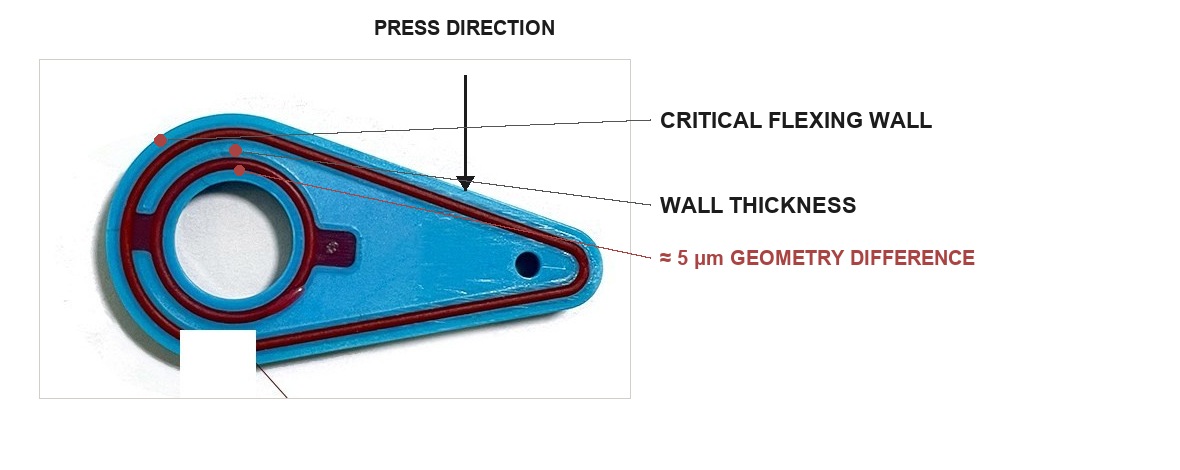
A tactile silicone button is not simply a soft cover positioned above a switch. The thin sloped section surrounding the button - the flexing web or diaphragm - controls how the silicone structure deforms, collapses and returns during each press. In this project, the critical variable was the thickness of that sloped silicone wall. A geometry difference on the order of 5 μm in the critical wall geometry was enough to disturb the intended tactile balance. The resulting force behavior changed as the button was repeatedly actuated. The issue therefore could not be solved simply by changing the metal dome. It had to be corrected from the silicone tooling side.
The actuation surface pressed by the user.
The thin sloped section that deforms, collapses and returns on every press.
A geometry difference on the order of 5 μm disturbed the intended tactile balance.
Vertical travel through the collapse point of the flexing structure.
FORCE BEHAVIOR
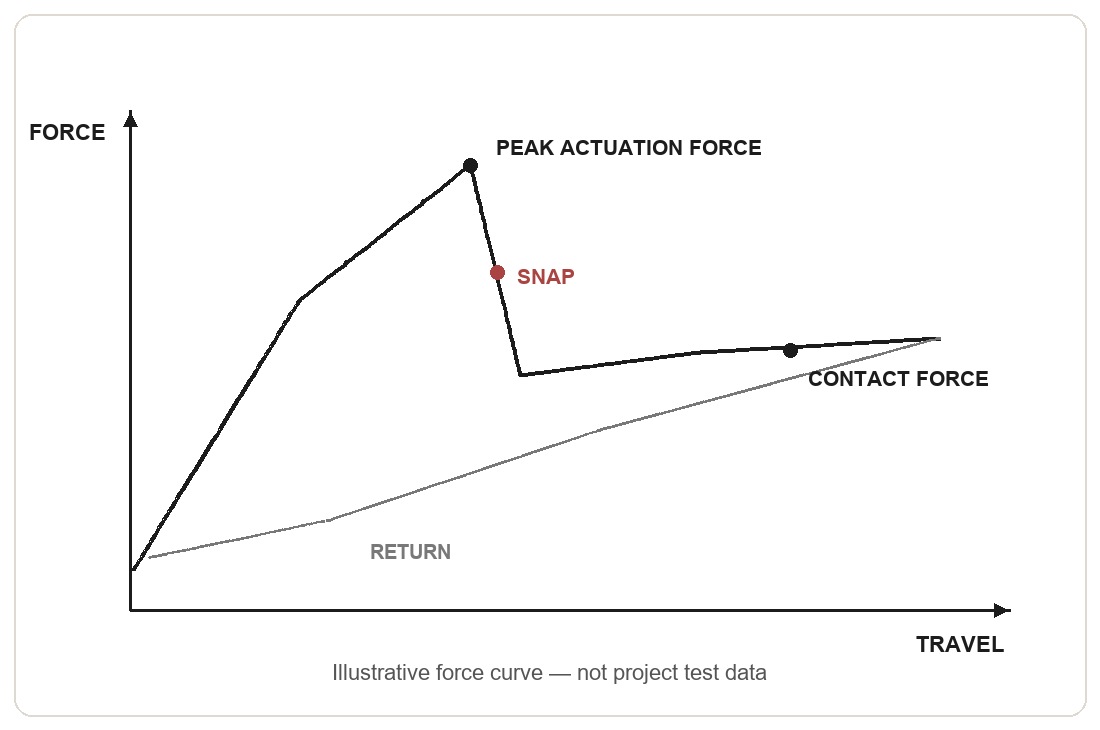
The tactile response of a silicone button depends on the relationship between the force required to collapse the flexing structure and the force after the button passes its peak actuation point. This relationship can be evaluated through the button’s force-travel behavior and snap ratio. When the critical wall geometry changes, the force curve can change with it. The result may be a button that still functions electrically but no longer feels crisp or consistent to the user. For this project, that distinction was important: the button was not simply tested for whether it could be pressed. It had to maintain the intended tactile feel over repeated use.
ENGINEERING RESPONSE
The correction was made at the source - silicone geometry and molding conditions - not in the switch assembly.
Instead of assuming the metal dome was responsible, our engineering team reviewed the silicone button structure and the behavior of the flexible wall around the actuation area. The investigation focused on the relationship between flexing-wall thickness, deformation behavior, tactile response and repeated actuation. This narrowed the problem down to the silicone component rather than the switch underneath it.
Once the critical geometry was identified, the correction was made at the mold level. Our tooling team introduced micron-level differential compensation to the sloped-wall geometry rather than trying to compensate through the switch assembly. The purpose was not simply to change the overall button thickness - it was to restore the intended mechanical behavior of the flexing structure.
Tool geometry was only part of the solution. The molding process was also adjusted using a multi-stage low-pressure holding profile. This helped reduce shear-induced residual stress in the molded silicone structure and improve consistency in the critical flexing area. For tactile components, geometry and molding conditions need to work together - a good CAD design alone does not guarantee the same mechanical response after molding.
After the tooling and process adjustments, the button was evaluated again under repeated actuation. The corrected structure successfully maintained a crisp and stable tactile response through 1,000,000 press cycles, without the progressive soft or mushy feel observed before the correction.
PRIMARY RESULT
SUPPORTING RESULTS
The project moved from a problem that initially looked like a switch failure to a controlled silicone-engineering solution. The final configuration achieved:
Force behavior stayed close to the intended tactile window after the correction.
The defined press-and-return characteristic was restored.
Dimensional control of the sloped wall held after micron-level tooling compensation.
The adjusted holding-pressure profile produced consistent results across the production window.
KEY TAKEAWAY
A waterproof silicone button can pass its initial sample review and still fail the long-term user experience. For tactile LSR components, small variations in the flexible structure can influence how the product behaves after repeated use. That means product development should consider more than material hardness, overall dimensions and whether the switch works. Critical projects may also require attention to flexing-wall geometry, mold compensation, force behavior, residual stress and cycle durability. At ESKY SUPPLY, our role is not simply to mold a silicone component according to a drawing. We work to identify the manufacturing variables that may affect how that component performs in actual use.
CAPABILITIES DEMONSTRATED
Control of functional silicone geometries for tactile components.
Micron-level correction of critical mold features based on product behavior.
Review of flexible walls, tactile structures and deformation behavior.
Adjustment of molding and holding-pressure parameters for stable production.
Repeated-actuation testing before final production release.
PROOF GALLERY
Real manufacturing and inspection records from our LSR production - no stock imagery.
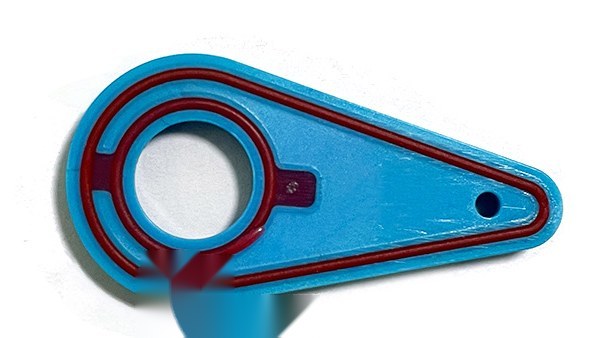
Sample parts from the tactile button project reviewed before tooling correction.
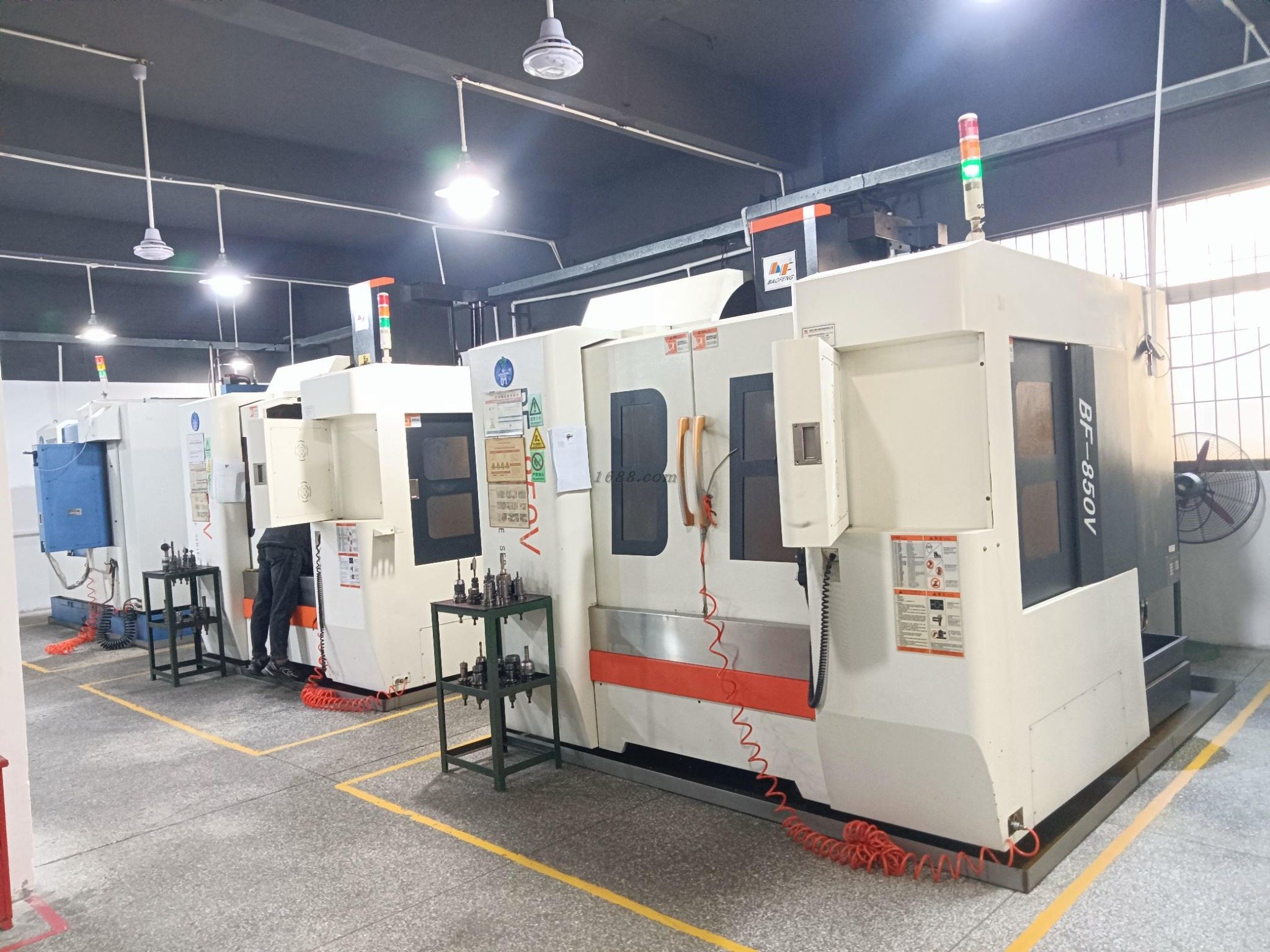
Micron-level tooling compensation starts at the mold - CNC machining of corrected steel.
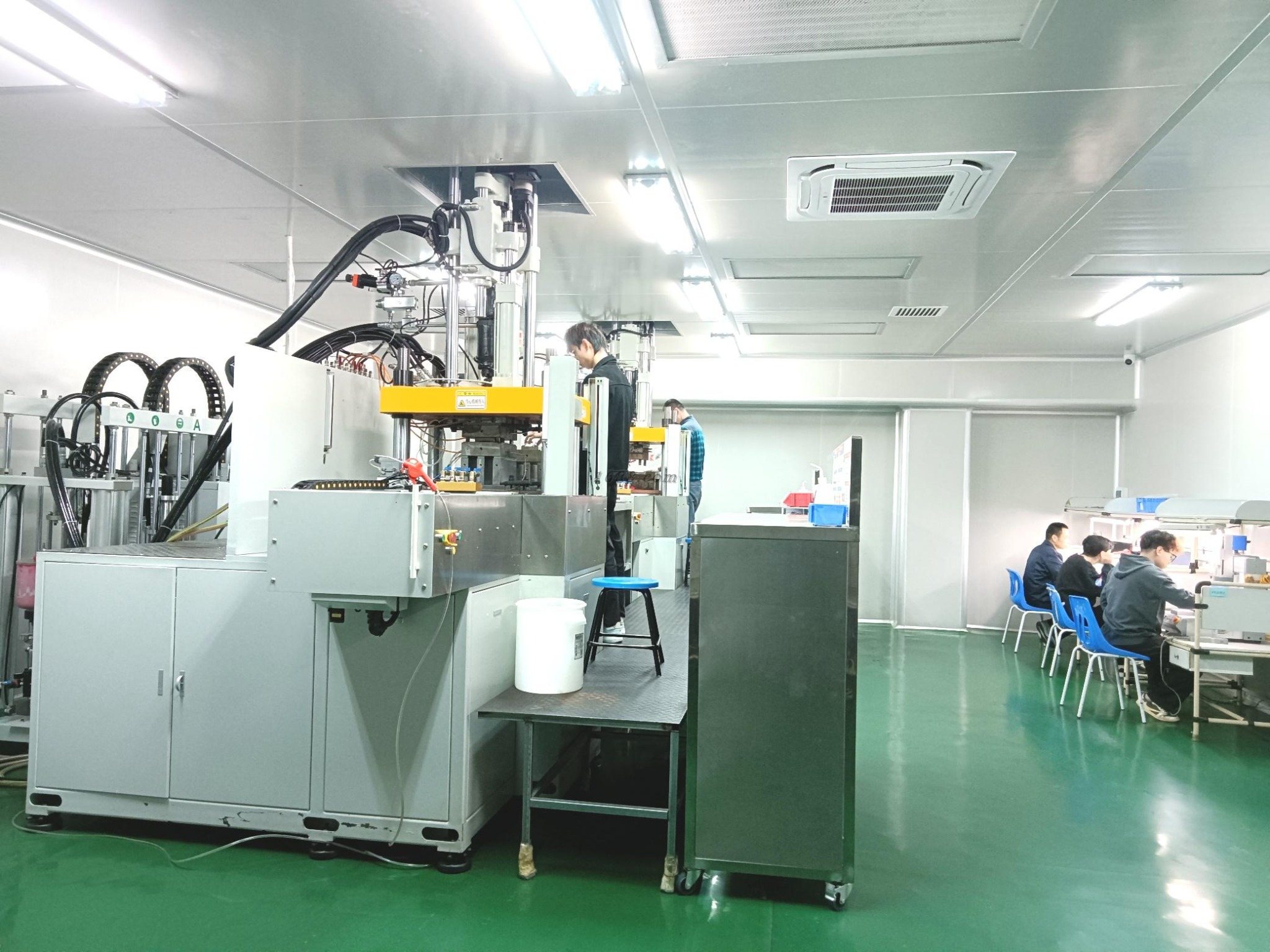
Parts molded under the adjusted holding-pressure profile on our LSR lines.
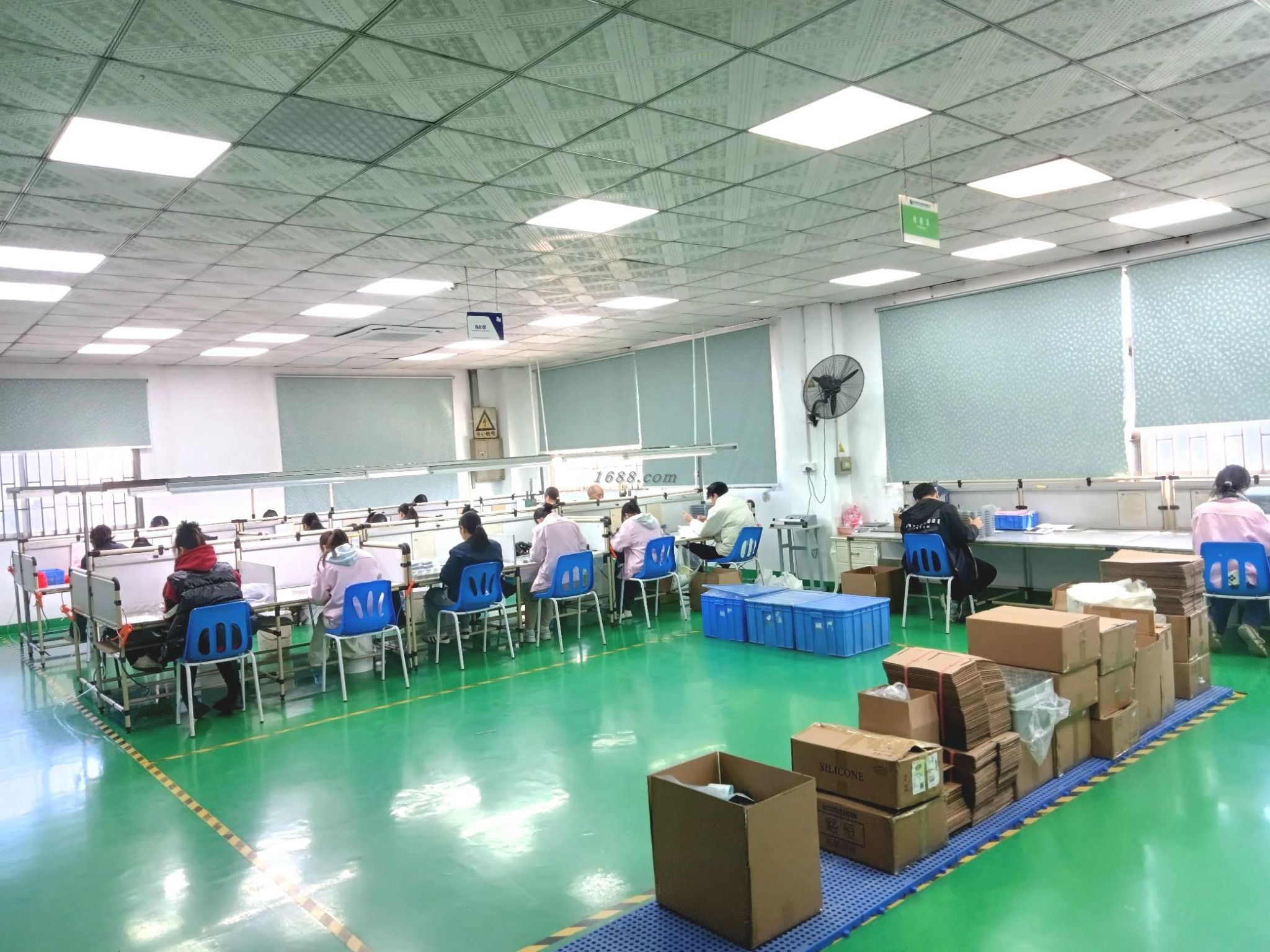
Dimensional and functional inspection supported the repeated-actuation validation.
NEXT STEP
If you are developing a waterproof button, silicone keypad, flexible control interface or another high-cycle silicone component, send us your 2D/3D drawing, reference sample, target actuation feel, material requirement or application details. Our team can review the structure, tooling feasibility and potential manufacturing risks before sampling or mass production.