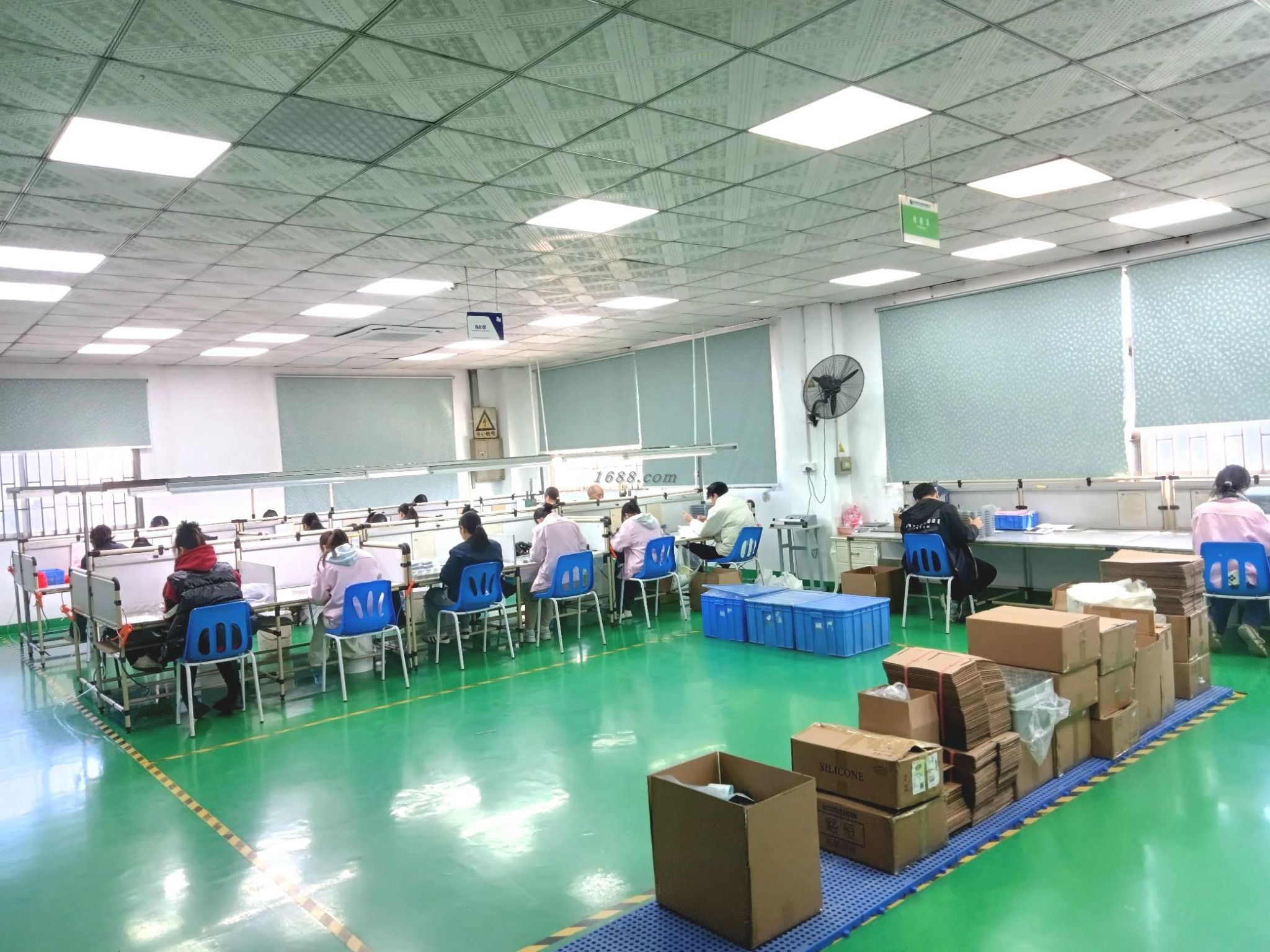
Inspection workstations at the ESKY manufacturing site
CASE STUDY · ELECTRONICS / OPTICAL COMPONENT

Maintaining Optical Clarity Under High Heat

For an optical silicone component, transparency is functional performance. The project required a highly clear molded part that could remain visually stable under prolonged elevated temperature.

PROJECT SNAPSHOT

Project Snapshot

Optical / lighting / electronics component
Application
Optical-grade liquid silicone
Material Direction
Precision liquid-silicone injection molding
Process
High transparency
Primary Requirement
Long-term elevated-temperature exposure
Environmental Requirement
Precision injection into a controlled mold
Process Focus
Yellowing / optical degradation
Key Risk
Highly transparent molded component developed for heat-resistant optical use
Result

THE CUSTOMER'S CONCERN

Clear is not enough when the part has an optical job.

For a decorative transparent part, slight haze or yellowing is mainly an appearance issue. For an optical component, the same change can affect how light travels through the part. The development requirement therefore becomes more demanding: high clarity, stable transparent material, precise molding, clean optical surfaces and resistance to heat-related yellowing.

THE TECHNICAL CHALLENGE

Transparency treated as functional performance

The project shown uses optical-grade liquid silicone described as highly transparent. The material is injected through precision equipment into the mold, with the production method focused on keeping the transparent material stable and accurately formed. The project also references prolonged exposure at 150°C, making heat-related yellowing an important part of the application requirement.

OUR RESPONSE

Our Response

Optical clarity was protected at every process step.

011

Use Optical-Grade Liquid Silicone

The project begins with a material intended for high-transparency optical applications.

022

Use Precision Injection Equipment

The clear material is injected in a controlled way rather than handled as an ordinary decorative silicone.

033

Control the Molded Optical Surface

Tooling and molding conditions must protect the clarity of the final component.

044

Consider High-Temperature Aging

The application was developed around elevated-temperature exposure, including the 150°C condition referenced in the project.

RESULT

A highly transparent component developed for heat-resistant optical use

The finished component shown remained highly transparent and was developed for an application where long-term heat exposure and visible yellowing are key risks.

WHAT THIS CASE SHOWS

What This Case Shows

This project is relevant to LED systems, optical covers, lighting components, sensor windows, transparent device components and high-temperature transparent silicone applications. For electronics and device teams, the key point is that optical silicone should be treated as an engineered optical material, not simply clear rubber.

CAPABILITIES DEMONSTRATED

Capabilities Demonstrated

011

Optical-Grade Silicone Processing

Handling transparent liquid silicone for optical applications.

022

Precision Injection Molding

Controlled filling of transparent material into precision tooling.

033

High-Temperature Application Review

Developing around elevated-temperature use conditions.

044

Optical Appearance Control

Protecting transparency and reducing visible yellowing risk.

RELATED CAPABILITIES

Related Capabilities

Where this capability lives in our production system.

011

LSR Injection Molding

Precision LSR injection for transparent components.

Learn more
022

Quality & Testing

Appearance and clarity controls for optical-grade parts.

Learn more
033

Electronics & Devices

Electronics applications using transparent silicone.

Learn more

NEXT STEP

Developing an optical or high-temperature transparent silicone component?

Send us the drawing, operating temperature, transparency requirement and application details. We can review material and molding feasibility before sampling.

Review an Optical Silicone Project