Making Bulk Production Match the Approved Sample
For a brand buyer, the real test starts after sample approval. This project focused on keeping molded output stable through controlled LSR production rather than relying on repeated manual adjustment.

For a brand buyer, the real test starts after sample approval. This project focused on keeping molded output stable through controlled LSR production rather than relying on repeated manual adjustment.
PROJECT SNAPSHOT
THE BUYER'S CONCERN
For a branded product buyer, approving the first sample is only one milestone. The larger risk appears later: once production continues, can the supplier keep the same dimensions, fit and visual quality without constantly "chasing" the process? In custom silicone molding, changes in temperature, pressure and cycle timing can change the finished part even when the material and mold remain the same. For a gift, lifestyle or consumer brand, that creates a very practical problem: The shipment should match what was approved - not simply remain technically moldable.
THE PRODUCTION CHALLENGE
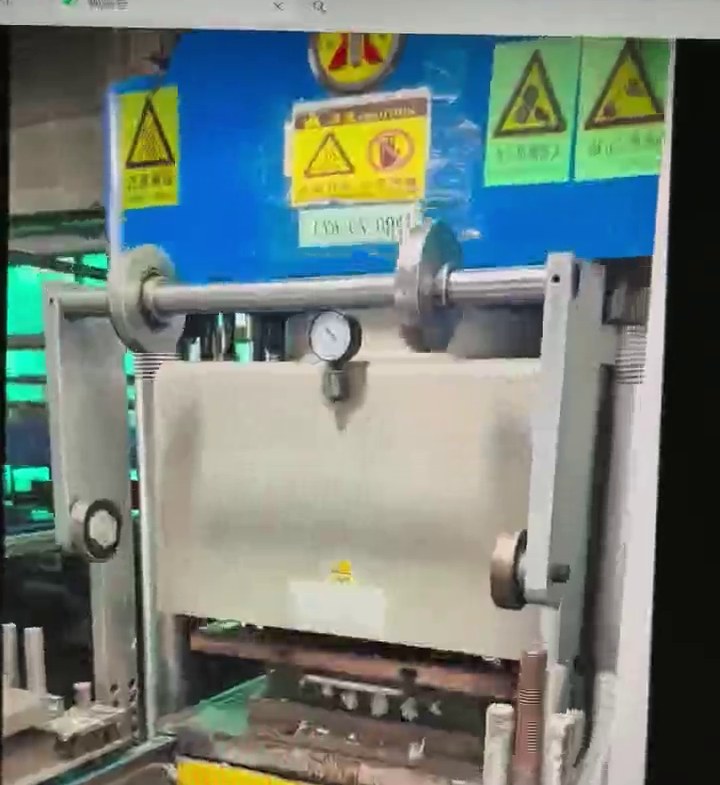
The project was therefore not treated as "make one good part." The manufacturing objective was to establish a repeatable process window around the approved result. The production record shows the team controlling the core molding variables - including temperature, pressure and time - and using a controlled production workflow to reduce variation from cycle to cycle.
WHY IT MATTERS
A branded product can lose its premium feel even when the change looks small to the factory. Variation can appear as: · inconsistent dimensions; · different edge definition; · changes in surface appearance; · fit differences during assembly; · bulk production that no longer matches the approved sample. For branded merchandise, the approved sample is effectively a visual and functional promise. Bulk production needs to protect that promise.
OUR RESPONSE
The correction was made in the process, not in the expectation of the buyer.
The molding process was controlled around the key variables that directly affect repeatability: temperature, pressure and timing.
A more controlled production workflow was used so output did not depend on continuous operator correction.
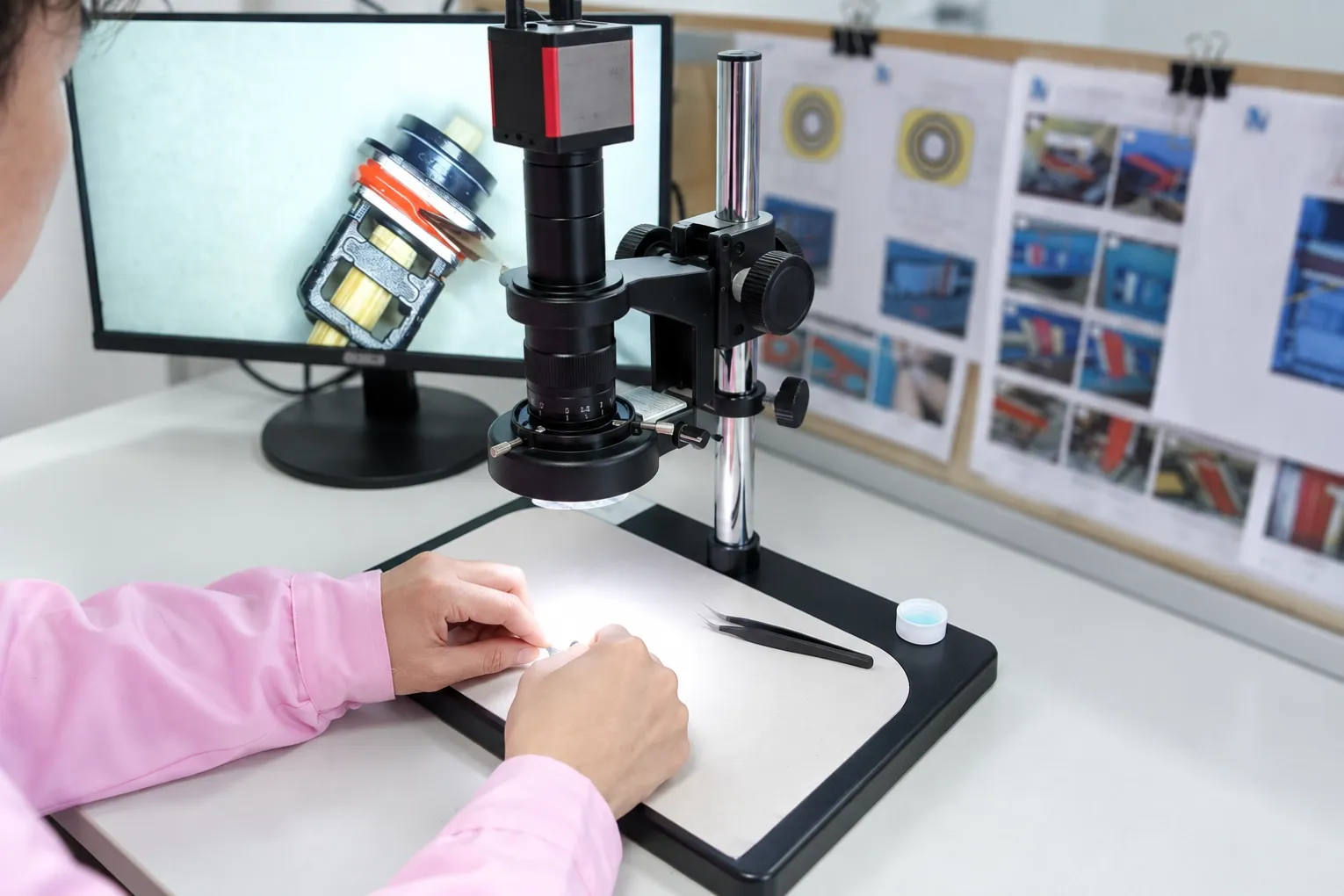
Finished parts were checked against the approved reference rather than treating each production batch as a new target.
The project objective remained simple: what was approved during sampling should remain the reference for production.
RESULT
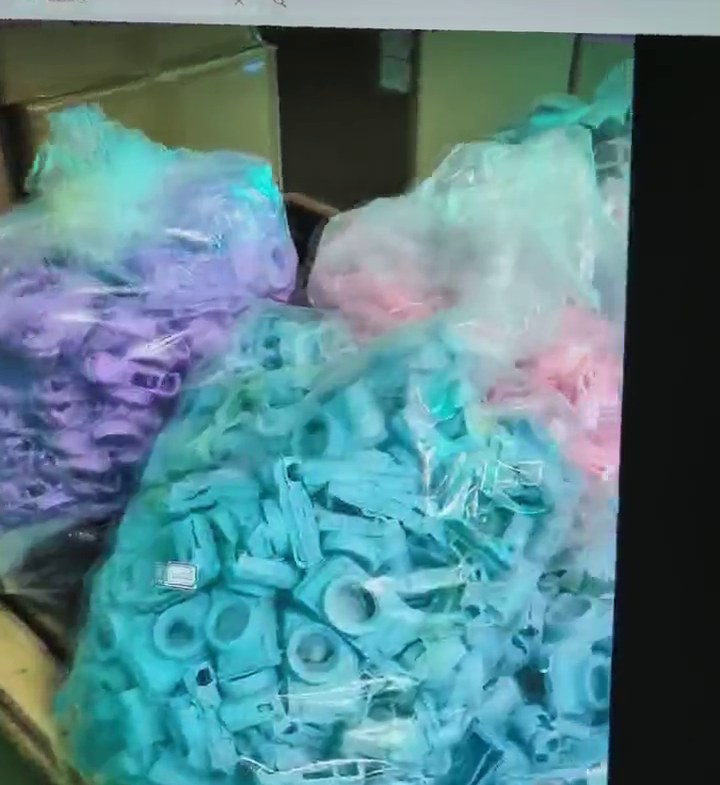
The finished production shown in the project maintained stable dimensions and consistent molded appearance. Sample approval is not the end of product development. Repeatable bulk production is part of the product specification.
WHAT THIS CASE SHOWS
For premium gifts and branded consumer products, ESKY does not treat "sample approved" and "mass production" as two unrelated stages. The process is developed with repeatability in mind so that color, dimensions, fit and appearance can be managed against the approved reference. This is particularly relevant for buyers who need: · custom molded parts; · repeat programs; · multiple production batches; · retail-quality appearance; · reliable assembly.
CAPABILITIES DEMONSTRATED
Managing the production variables that influence repeatability.
Using the approved sample as the production reference.
Monitoring molded output rather than relying only on visual inspection.
Reducing variation between early and later production.
PROOF GALLERY
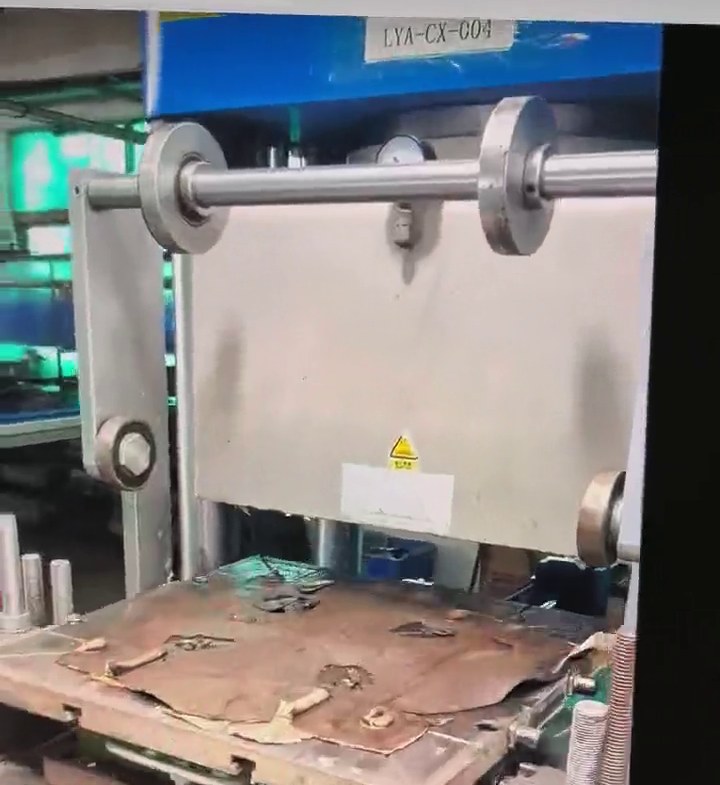
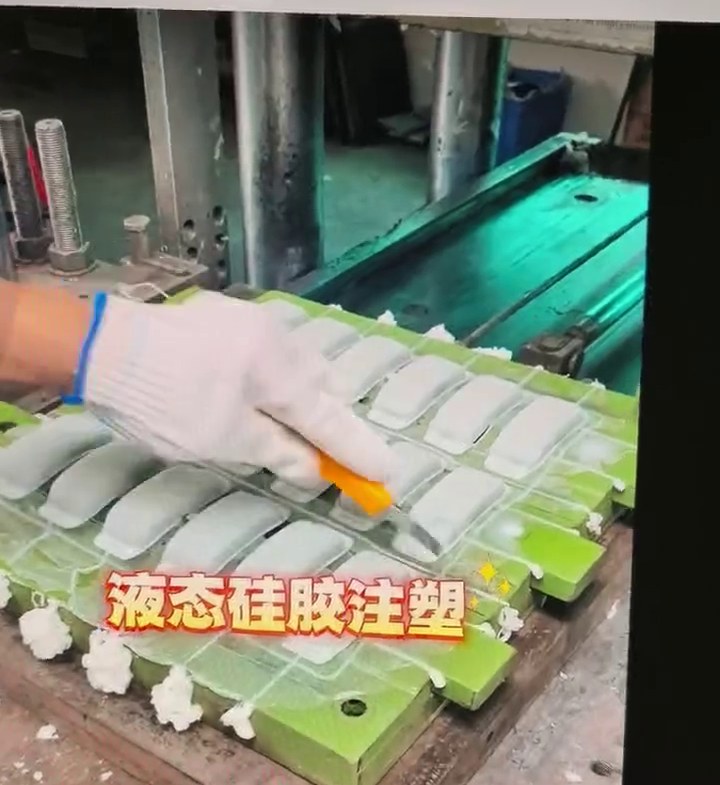
Stills from the actual project footage - process, tooling and output.
RELATED CAPABILITIES
Where this capability lives in our production system.
Controlled LSR production with documented process variables.
Custom molded silicone development from approved sample to repeat production.
Dimensional and visual consistency checks across production batches.

NEXT STEP
Send us the drawing, reference sample, expected order quantity and the appearance points that cannot change. We can review the molding process, critical dimensions and production-control plan before mass production.